If your goal is your website content to show up in organic search, attract qualified leads, and support real business growth in Syracuse, NY, you need something beyond a few keywords sprinkled across a page. Effective SEO content blends search intent, keyword relevance, and content quality with strong user experience signals that help people and search engines read your pages.
For local businesses in Central New York, content optimization is especially useful because local competition can be fierce. Whether you run a law firm in downtown Syracuse, a contractor serving DeWitt and Camillus, a restaurant near Syracuse University, or a healthcare practice helping families in Fayetteville and Liverpool, the right content can improve search visibility, build topical authority, and improve conversions.
What is the meaning of SEO-friendly website content actually mean?
SEO-friendly content is relevant content that addresses a specific question, solves a real problem, or guides someone take the next step in their conversion funnel. It is not just written for search engines. It is written for people with a clear user intent while also giving search engines enough context to understand the page’s purpose.

At a practical level, SEO-friendly website content brings together three things:
Sunstone Digital Tech201 E Jefferson St, Syracuse, NY 13202
(315) 758-3349
https://maps.app.goo.gl/LNcnKZaUXSqxHPoT8
https://sunstonedigitaltech.com/
43.0471862, -76.1504376
- Search intent: the reason someone searched in the first place. Keyword relevance: the terms and phrases that match that intent. Content quality: the depth, clarity, and usefulness of the page.
Search engines also review signals such as engagement, bounce rate, and click-through rate to determine whether people found the page helpful. If visitors in Syracuse land on your page and quickly go back to the results, that can indicate a mismatch between your content and their needs.
Strong SEO content also strengthens crawlability and indexability. That means search engines can easily reach the page, grasp its semantic relevance, and store it properly for local search or broader rankings. Good on-page SEO is not just about text; it is about structured content, clear headings, and useful information.
How can I pick the best keywords for my site pages?
Effective keyword planning starts with keyword research. Instead of guessing what people search for, analyze the language your audience actually uses. A Syracuse homeowner looking for roof repair may search differently than a business owner looking for seo services or web design. Each page should target a specific need.
Begin with a primary keyword that fits the page’s core topic. Then pinpoint related secondary keywords and supporting long-tail keywords. For example, a page about HVAC services in Syracuse might target a primary phrase like “HVAC repair Syracuse NY” while supporting it with long-tail phrases such as “emergency furnace repair in Syracuse” or “winter heating service in Central New York.”
This multi-layered strategy strengthens topical authority because it tells search engines the page covers a subject in depth. It also makes the content more useful for diverse search queries tied to local intent.
Practical keyword research steps include:
- Examining the phrasing customers use during sales calls and consultations. Studying competitors in Syracuse, Liverpool, and DeWitt. Identifying questions, service modifiers, and neighborhood-based phrases. Grouping terms by service type, location, and problem-solving intent.
For example, a law firm may create separate pages for “personal injury lawyer Syracuse,” “car accident attorney Camillus,” and “workers’ compensation legal help in Fayetteville.” This setup lets each page to target distinct intent rather than forcing one page to do everything.
How do I organize page content so search engines grasp it?
Search engines use heading hierarchy, title tags, meta descriptions, and internal linking to see how a page is organized. Good content hierarchy helps for both visitors and crawlers to navigate the page, identify the main ideas, and connect related sections.
Your title tags should accurately describe the page and feature the main topic when appropriate. A good title helps with relevance and can boost click-through rate from organic search results. Your meta descriptions should outline the page’s value in a clear way so searchers know what to anticipate.
Follow header tags in a logical sequence:
- One clear H1 for the main page topic. H2 sections for major themes. H3 minor points for supporting details.
This kind of structured content helps support semantic relevance and makes the page simpler to scan. It also supports improved user engagement, which can reduce bounce rate when visitors can quickly find the answer they need.
Internal linking is an additional key element of the structure. Connect related pages together so users can move naturally through your site, and so search engines can see the relationships between your services, articles, and location pages. For a Syracuse business, internal links might connect service pages, FAQ pages, and blog posts about seasonal needs or local market trends.
While internal links matter, do not ignore external links to authoritative sources where relevant. These can support trust signals and add credibility when you reference industry standards, local regulations, or technical guidance.
Where do I put keywords organically on the page?
Keyword placement should feel unforced, not pushed. The goal is to support the page topic without reducing readability. Search engines recognize context, synonyms, and related terms, so you do not need to repeat the exact phrase all the time.
Focus on these key placement areas:
- Intro paragraph: introduce the page topic early. Subheadings: echo theme relevance throughout the page. Image alt text: explain images accurately and naturally. URL slugs: keep them brief, readable, and descriptive.
Your URL structure should be clean and easy to understand. For example, a page about Syracuse roof repair might use a URL that includes the service and location rather than a vague string of numbers or generic labels.
In the intro paragraph, mention the primary topic once in a conversational way. Use the supporting terms later in the page where they work well. This approach improves optimization without creating awkward repetition.
When writing image alt text, depict the image honestly and use keywords only when they genuinely match what is shown. For example, a photo of a storefront near Syracuse University might need alt text that explains the visual context rather than keyword stuffing.
Which content topics support local SEO in Syracuse, NY?
Local SEO performs best when your content mirrors the actual communities you serve. In Syracuse, NY, that means creating pages and articles that target nearby areas like Liverpool, DeWitt, Camillus, and Fayetteville while addressing the needs of local customers.
Some of the most effective local content assets include local landing pages and service area pages. These pages help search engines understand where you work and which services you offer in each location. A home services company, for example, might build pages for emergency plumbing in Syracuse, drain cleaning in Liverpool, or heating maintenance in Camillus.
Your Google Business Profile also has a major impact on local search. The content on your site should support the information in that profile by reinforcing your address, service areas, hours, and service categories. Consistency builds trust signals and improves the overall local presence of your business.

Strong local content should also reflect local intent. In Syracuse, that might mean seasonal winter service needs, snow-related home repairs, or time-sensitive help for businesses near Syracuse University during campus-driven traffic. A restaurant, contractor, or healthcare provider can all benefit from content that aligns with local demand patterns.
Good local SEO content examples include:
- Service pages for neighborhoods for specific Syracuse suburbs. Frequently asked questions content about local service timelines and conditions. Posts about winter preparedness in Central New York. Targeted pages tailored to seasonal spikes in customer demand.
How can site design enhance SEO results?
Effective web design is closely tied to SEO. It directly shapes how users navigate through your content and how well search engines can analyze your site. A polished site that is hard to use will struggle with engagement, conversions, and search performance.
One of the main design factors is mobile responsiveness. Since many users search from phones, especially when looking for local services on the go, your content must appear clearly across screen sizes. A mobile-friendly layout supports improved usability and stronger search visibility.
Page speed is another major factor. Slow-loading pages can damage bounce rate and frustrate visitors before they ever read your content. Faster sites are quicker to navigate and often create a stronger first impression, especially for service businesses competing in Syracuse and surrounding towns.
Core Web Vitals also matter because they reflect how stable, responsive and fast your pages feel during use. If your site loads slowly or shifts unexpectedly, it can weaken engagement and reduce trust.
Navigation matters too. Clear site navigation helps users find service pages, locations, and contact information quickly. It also supports crawlability by making it easier for search engines to discover your pages and understand their relationships.
For businesses focused on conversion rate optimization, design should guide visitors toward calls, form fills, quote requests, or bookings. Clean layouts, visible calls to action, and easy-to-read content can boost the performance of the entire conversion funnel.
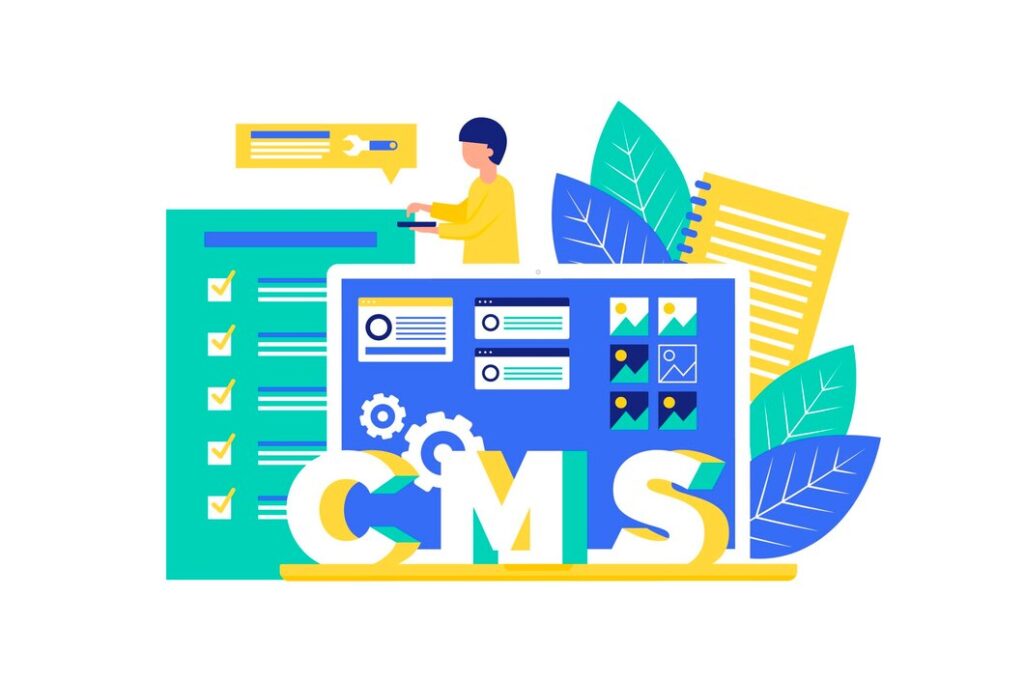
How do SEO services and digital marketing support content optimization?
Professional seo services can turn content refinement from an isolated task into an ongoing growth system. The right team connects content strategy, technical improvements, and promotion inside a broader digital marketing strategy.
Effective content strategy begins with understanding audience needs, business goals, and search opportunities. Then it aligns page topics, keyword targeting, local landing pages, and conversion paths. This makes your website content more useful to visitors and more valuable to your brand.
Digital marketing also helps content reach the right audience through supporting channels like email, social media, and paid campaigns. Even when the main goal is organic search, promotion can create greater interaction and strengthen visibility around high-value pages.
For Syracuse businesses, this matters because local competition often includes both established brands and smaller providers targeting the same service area. A strong blend of SEO and digital marketing can help contractors, law firms, healthcare practices, and restaurants stand out in local search results.
SEO services can also support conversion optimization by analyzing how users move through your site. If a service page gets traffic but few leads, the problem may not be rankings. It may be unclear messaging, weak calls to action, or a mismatch between intent and page content.
Can AI experts help optimize website content more efficiently?
Yes, AI experts can improve content workflows when used correctly. The key is to use AI as a support tool for research, planning, and analysis rather than as a replacement for human judgment, brand voice, or local market knowledge.
One valuable application is AI content analysis. AI can help identify content gaps, compare competitor coverage, and highlight patterns in keyword usage or page structure. This can make a content audit quicker and more reliable.
AI can also assist with content briefs. A solid brief maps out the primary topic, supporting questions, target audience, ideal structure, and suggested internal links. This gives writers a better roadmap and helps maintain quality across a larger site.
Topic clustering is another useful AI-supported approach. By grouping related subjects together, you can develop stronger topical authority and organize pages around meaningful themes. For example, a Syracuse home services company might cluster content around winter maintenance, emergency repairs, and seasonal preparation.
AI can also streamline the editorial workflow by helping teams draft outlines, summarize research, and identify opportunities for content freshness. However, every AI-assisted draft should still be reviewed by a human editor who understands local nuance, brand trust signals, and audience expectations.
How do I measure whether my optimized content is working?
Measurement is crucial because SEO is not complete until it drives results. Use analytics to track whether your pages are attracting more visitors, earning better rankings, and generating business outcomes.
Start by looking at organic traffic. Are more people finding your pages through organic search over time? Then review rankings for the primary and supporting keywords tied to each page. Ranking improvement is useful, but it should be connected to business value, not treated as the only goal.
Next, examine engagement metrics such as time on https://oswego-ny-ow474.bearsfanteamshop.com/natural-query-development-approach-for-company-websites-in-syracuse-ny page, scroll depth, bounce rate, and click-through rate. These signals can reveal whether your content matches user intent and whether people find it helpful enough to keep reading or explore further.
Finally, measure conversions. For a Syracuse business, that might mean contact form submissions, phone calls, appointment bookings, quote requests, or online orders. If traffic increases but leads do not, the issue may lie in the messaging, layout, or conversion rate optimization.
It is helpful to compare performance by page type. A location page may generate more inquiries, while an informational blog post may attract new visitors and feed the top of the marketing funnel. Together, these pages can form a stronger lasting SEO strategy.
What mistakes should I avoid when optimizing website content?
Some frequent mistakes can reduce SEO performance, even when the content looks polished on the surface.
- Keyword stuffing: forcing keywords repeatedly can damage readability and relevance. Duplicate content: copying the same copy across pages weakens differentiation and can confuse search engines. Thin content: pages with too little useful information often fail to satisfy search intent. Broken links: dead internal or external links undermine trust and visitor experience.
One more mistake is overlooking content freshness. Pages should be updated when services change, local conditions shift, or new customer questions emerge. In Syracuse, seasonal demand matters. A heating company, for example, should update winter service content before the cold-weather rush instead of waiting until after demand peaks.
Do not ignore the relationship between content and trust signals. Strong writing, accurate details, clean design, and useful supporting information all help build credibility. If a page seems outdated, vague, or inconsistent, users may leave quickly and search engines may interpret that as weaker quality.
The best SEO content serves the reader first, then supports search engines with structure, relevance, and clear intent.
FAQ
How frequently should I update my website content for SEO?
Audit important pages regularly and update them whenever your services, locations, offers, or customer needs change. For many Syracuse businesses, a quarterly content audit is a good rhythm, with seasonal updates before winter service demand or campus-driven traffic changes near Syracuse University. Fresh content can improve relevance, maintain trust signals, and support content freshness over time.
What is the best keyword density for SEO-friendly content?
No single keyword density target. Prioritize natural language, strong search intent alignment, and semantic relevance rather than counting exact matches. Include your primary keyword, secondary keywords, and long-tail keywords where they fit naturally, especially in headers, the intro paragraph, and supporting sections. If the content reads awkwardly, it is probably over-optimized.
Do web design changes affect SEO rankings?
Certainly. Web design changes can influence mobile responsiveness, page speed, Core Web Vitals, site navigation, and overall user experience. Those factors affect how easily visitors engage with your website content and how search engines evaluate performance. A redesign that improves usability and crawlability can support better SEO outcomes, while a messy redesign can hurt rankings and conversions.
How do SEO services improve local search visibility in Syracuse, NY?
SEO services can improve local search visibility by refining local landing pages, strengthening Google Business Profile alignment, improving on-page SEO, and building location-relevant content for Syracuse, NY and nearby areas like Liverpool, DeWitt, Camillus, and Fayetteville. They also help with internal linking, content strategy, and analytics so you can see which pages drive local leads and conversions.
Can AI experts help create better website content without sacrificing quality?
Yes, AI experts can improve efficiency through AI content analysis, content briefs, topic clustering, and editorial workflow support. The best results happen when AI assists with planning and optimization while human writers and editors protect quality, brand voice, and local accuracy. For Syracuse businesses, that local context is essential for creating content that resonates with real customers.